
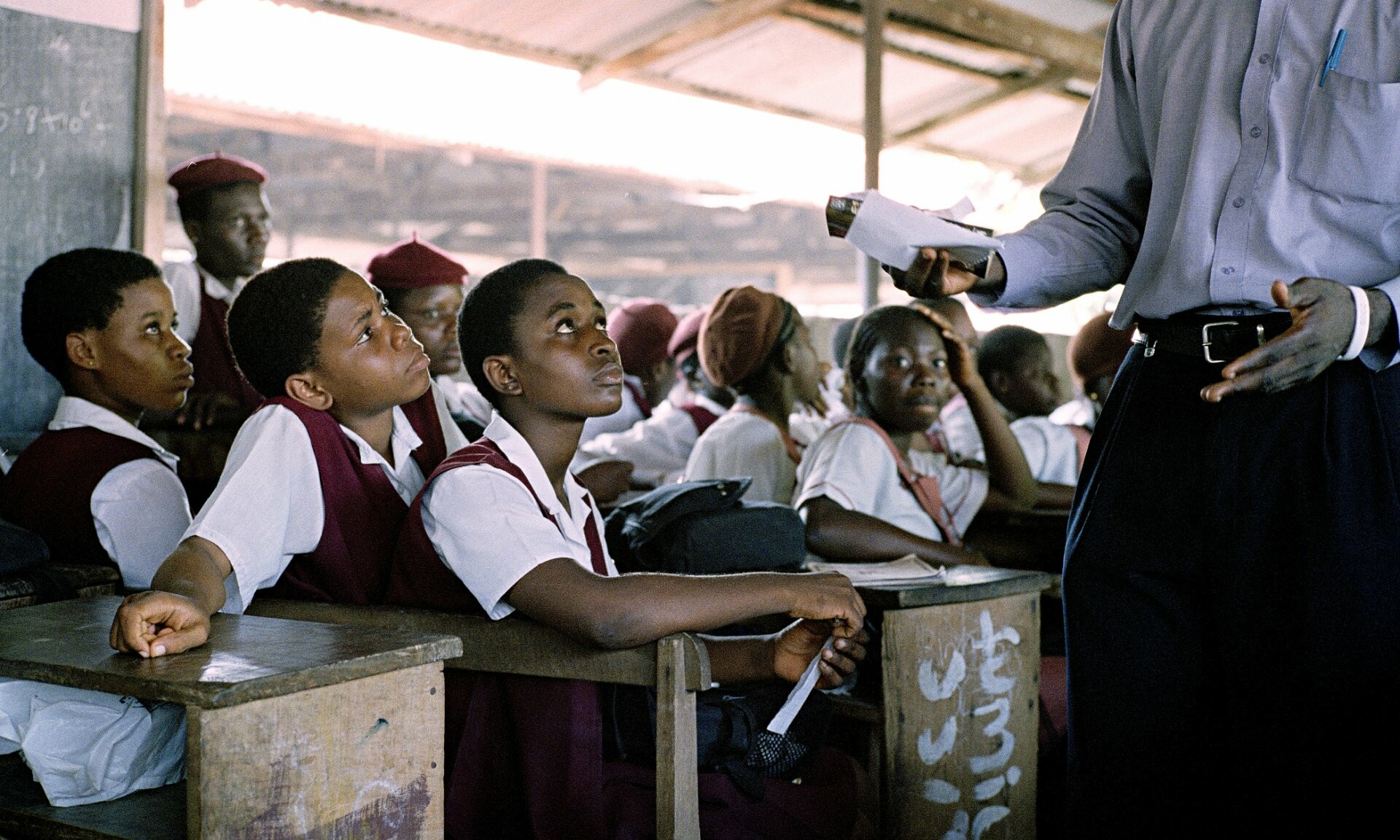

Στα χέρια ενόπλων πάνω από 100 μαθήτριες

Στα χέρια ενόπλων πάνω από 100 μαθήτριες Facebook Twitter
1

Πάνω από 100 μαθήτριες απήχθησαν από ενόπλους σε σχολείο στα βορειοανατολικά της Νιγηρίας. Ουδείς ανέλαβε την ευθύνη, όμως εκτιμάται πως πίσω από το γεγονός βρίσκεται η ισλαμιστική οργάνωση Μπόκο Χαράμ. Η επίθεση έγινε αργά το βράδυ της Δευτέρας, ανήμερα της βομβιστικής επίθεσης σε σταθμό λεωφορείων στην πρωτεύουσα Αμπούτζα.


1

ΔΕΙΤΕ ΑΚΟΜΑ

ΟΥΚΡΑΝΙΑ ΓΑΛΛΙΑ ΒΡΕΤΑΝΙΑ ΣΤΡΑΤΕΥΜΑΤΑ

Διεθνή / Βρετανία και Γαλλία έτοιμες να αναπτύξουν στρατεύματα στην Ουκρανία μετά από ειρηνευτική συμφωνία

«Μετά την κατάπαυση του πυρός, το Ηνωμένο Βασίλειο και η Γαλλία θα δημιουργήσουν στρατιωτικούς κόμβους σε όλη την Ουκρανία», δήλωσε ο βρετανός πρωθυπουργός Κιρ Στάρμερ
THE LIFO TEAM
ΦΑΝΑΡΙ ΘΕΟΦΑΝΕΙΑ

Διεθνή / Θεοφάνεια στο Φανάρι: Μήνυμα εκκλησιαστικής ενότητας για την Ουκρανία από τον Οικουμενικό Πατριάρχη

Σε πανηγυρικό κλίμα η Θεία Λειτουργία - Παρευρέθηκαν Κυριάκος Πιερρακάκης, Νίκος Ανδρουλάκης και Σοφία Ζαχαράκη αλλά και ο Μητροπολίτης Κιέβου και πάσης Ουκρανίας κ.κ. Επιφάνιος
THE LIFO TEAM
ΓΡΟΙΛΑΝΔΙΑ ΗΠΑ ΣΤΙΒΕΝ ΜΙΛΕΡ ΤΡΑΜΠ

Διεθνή / «Κανείς δεν θα μας πολεμήσει για τη Γροιλανδία»: Προκαλούν εκ νέου οι δηλώσεις του Στίβεν Μίλερ

«Tο πραγματικό ερώτημα είναι με ποιο δικαίωμα η Δανία ισχυρίζεται ότι ελέγχει τη Γροιλανδία» δήλωσε ο Μίλερ, ένας από τους στενότερους συνεργάτες του Ντόναλντ Τραμπ στον Λευκό Οίκο
THE LIFO TEAM

σχόλια

1 σχόλια
Ελπίζω η τύχη των εν λόγω κοριτσιών να μην είναι τόσο ανατριχιαστική, όσο (δεν) μπορεί να φανταστεί κανείς...Δυστυχώς, όμως, η boko haram κι άλλες "σέκτες" ανάλογων δραστηριοτήτων δεν πέφτουν από τον ουρανό ξαφνικά, μίαν ωραία πρωΐα. Before colonisation and subsequent annexation into the British Empire, the Bornu Empire ruled the territory where Boko Haram is currently active.(...) Both the Bornu Sultanate and Sokoto Caliphate came under control of the British in 1903. During this period Christian missionaries used western education as a tool for evangelism, this has lead to secular education being viewed with suspicion by many in the local population. Increased dissatisfaction gave rise to many fundamentalists among the Kanuri and other peoples of northeast Nigeria.http://en.wikipedia.org/wiki/Boko_Haram#cite_note-bbc20110826-38When viewed from outside, it can appear that these conflicts boil down to religious differences,tensions between blocs of Muslim and Christian inhabitants. When one looks deeper,however, one finds that ***politics*** —more precisely, control of government patronage—is theprimary cause of many of these conflicts. Election disputes have also led to breakdowns alongMuslim and Christian lines, as was seen in the most recent polls in 2011, when youths wenton the rampage in southern Kaduna state. When violence erupts in these circumstances, thegenesis is usually in one group asserting control of the apparatus of government over anothergroup or groups in a very heterogeneous and ethnically diverse part of Nigeria.http://www.usip.org/sites/default/files/SR308.pdfDespite its vast resources, Nigeria ranks among the most unequal countries in the world, according to the UN. The poverty in the north is in stark (εκεί που δραστηριοποιείται η b.h) contrast to the more developed southern states. While in the oil-rich south-east, the residents of Delta and Akwa Ibom complain that all the wealth they generate flows up the pipeline to Abuja and Lagos.http://www.bbc.com/news/world-africa-13809501Violent uprisings in Nigeria, whether by Boko Haram or other groups, are invariably the result of “social injustice” and “bad governance” said Abdulkarim Mohammed, a researcher on Boko Haram.“Boko Haram is essentially the fallout of frustration with corruption and the attendant social malaise of poverty and unemployment… The young generation see how [the nation’s resources] are squandered by a small bunch of self-serving elite which breeds animosity and frustration, and such anger is ultimately translated into violent outbursts,” he said.http://www.irinnews.org/report/93250/analysis-understanding-nigeria-s-boko-haram-radicalsThe legality of slavery today:While Islamic law does allow slavery under certain conditions, it's almost inconceivable that those conditions could ever occur in today's world, and so slavery is effectively illegal in modern Islam. Muslim countries also use secular law to prohibit slavery.News stories do continue to report occasional instances of slavery in a few Muslim countries, but these are usually denied by the authorities concerned.(...τεσπά)Context:Islamic sharia law accepted (and accepts) slavery, as did other legal systems of ancient times such as Roman law, Hebrew law, Byzantine Christian law, African customary law and Hindu law.http://www.bbc.co.uk/religion/religions/islam/history/slavery_1.shtml